AAMA 511 Forensic Water Penetration Testing of Fenestration Products
Diagnostic Testing to Identify the True Source of Water Intrusion
AAMA 511-22 — Voluntary Guideline for Forensic Water Penetration Testing of Fenestration Products provides procedures for diagnostic water penetration testing, commonly referred to as investigative or forensic testing.
At Sovell Investigative Testing and Consulting (SITC), we are nationally recognized for our expertise in investigative water penetration testing. We help clients identify the exact source, path, and mechanism of water intrusion affecting fenestration products and their installation.
Investigative vs. Quality Assurance Testing
It is important to distinguish between quality assurance testing and investigative (forensic) testing, as each serves a different purpose:
Quality Assurance Testing (AAMA 502 / AAMA 503)
- Performed on newly installed fenestration products
- Verifies compliance with project specifications
- Confirms that installation meets prescribed standards
Investigative / Forensic Testing (AAMA 511)
- Conducted when water leakage is known or suspected
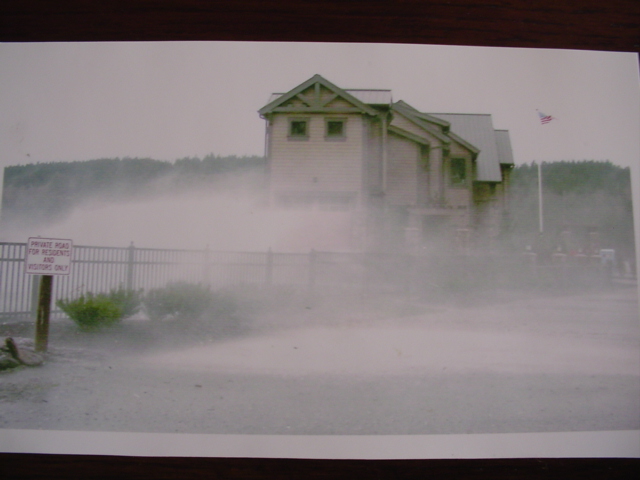
- Recreates actual water intrusion events
- Determines how water enters, migrates, and impacts wall components
Unlike AAMA 502 field testing, which is primarily intended for pass/fail compliance, forensic investigators must provide detailed analysis beyond simple results. Per ASTM E2128, testing must be carefully isolated so that only one element is evaluated at a time.
Two-Phase Forensic Water Penetration Testing
Forensic water testing follows a two-phase approach to separate product performance from surrounding wall conditions:
- Phase One – Test the installed fenestration product with isolation
- Perimeter joints and surrounding wall areas are isolated
- Evaluates the product’s installed performance only
- Phase Two – Test the perimeter joint and surrounding wall area with isolation
- The installed product “window/door” are isolated
- Evaluates the perimeter joint and surrounding wall area only
Isolation Techniques:
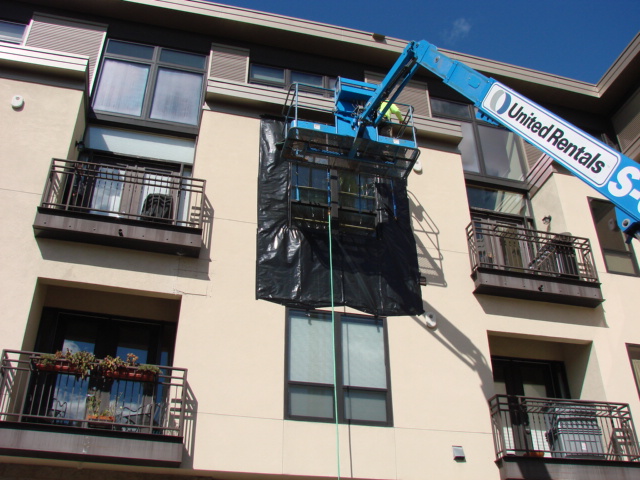
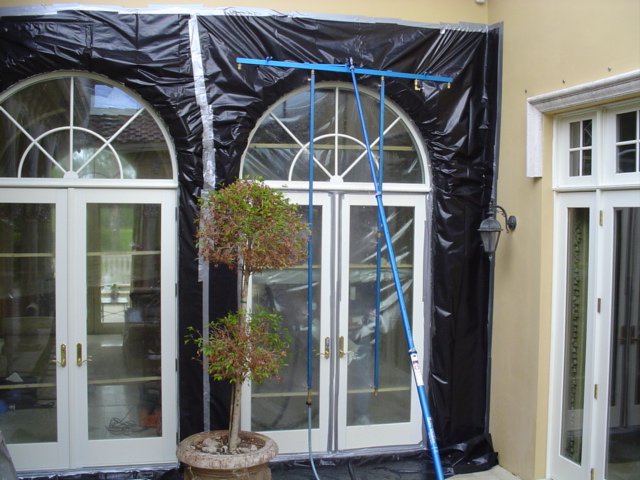
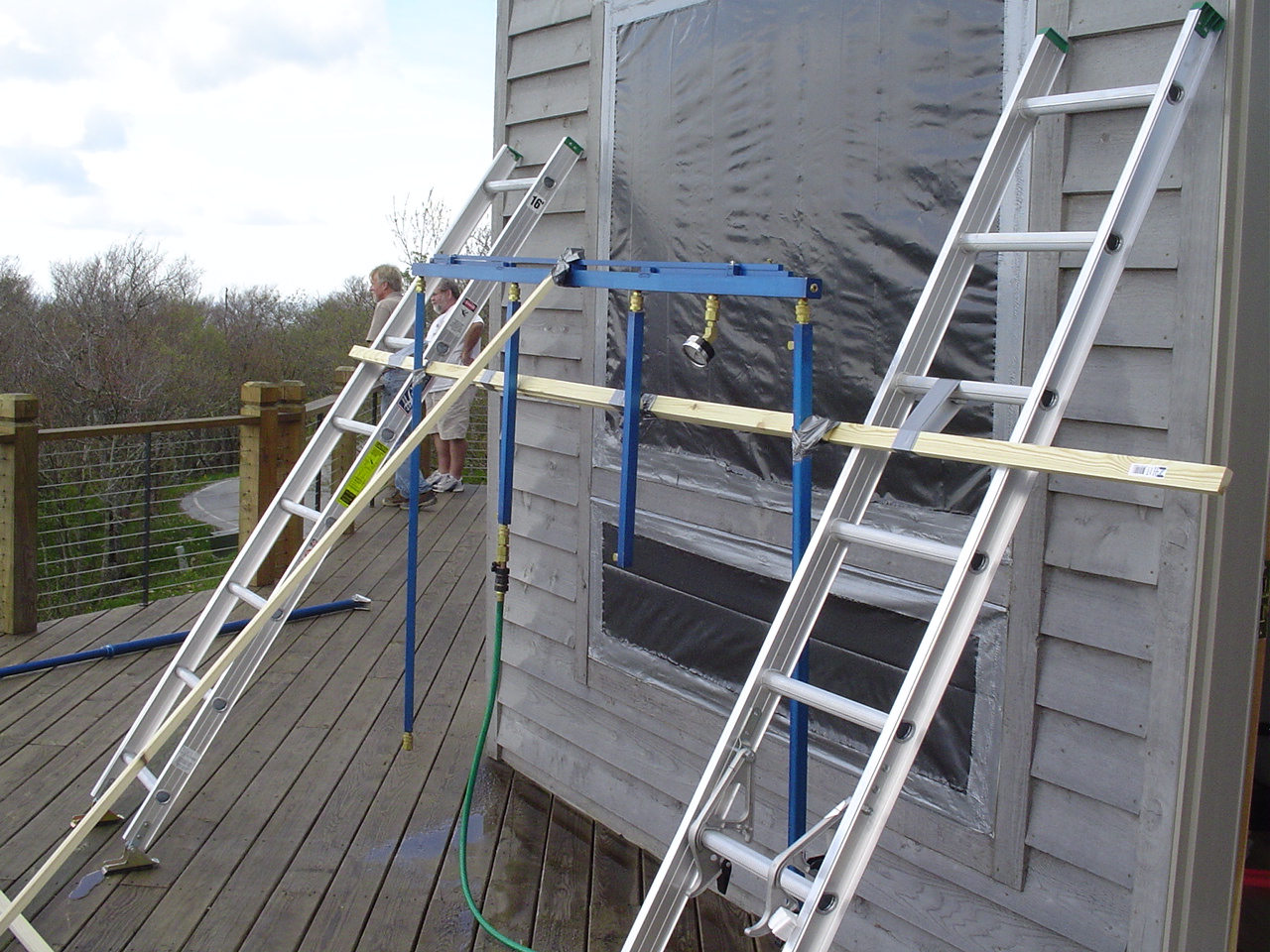
- A common method is to carefully tape plastic sheeting to the exterior perimeter of the product frame
- Ensure drainage provisions of the product are not blocked
- Extend the sheeting beyond the test chamber termination to cover surrounding wall conditions
Isolation ensures accurate differentiation between leaks caused by the fenestration product itself and those caused by adjacent wall components or installation deficiencies.
SITC Expertise in AAMA 511 Testing
SITC combines field experience, laboratory expertise, and installation knowledge to deliver precise and actionable investigative results:
- Fenestration Expertise: Deep understanding of product components, materials, and manufacturing processes
- Installation Expertise: All staff have completed the Installation Master Program, led by Mike Sovell, who was an accredited Installation Master Instructor for 15 years
- Laboratory Experience: Extensive lab testing background allows SITC to interpret results, troubleshoot failures, and identify root causes of water intrusion
This combination of skills enables SITC to identify leak entry points, evaluate installation deficiencies, and provide actionable recommendations for remediation.
Why Choose SITC for AAMA 511 Testing
SITC is nationally recognized as a leading third-party investigative testing firm because we:
- Recreate water intrusion events to identify true leak paths
- Evaluate both product-related and installation-related issues
- Deliver clear, actionable findings and remediation guidance
Our clients receive more than test data — they receive answers that protect building performance, durability, and long-term investment.
Contact SITC for AAMA 511 Testing
For additional information about AAMA 511 forensic water penetration testing, contact SITC at:📞 1-952-367-6578 or at: mike@sovelltesting.com